
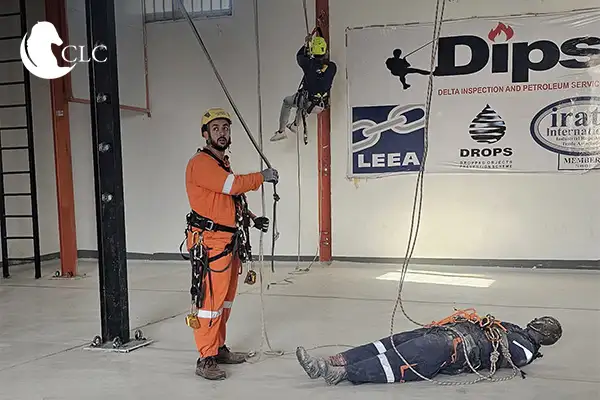
Fall Arrest Systems are no longer a luxury on modern worksites they’re the starting point of any
serious conversation about safety at heights.
These advanced systems provide real protection and significantly reduce the risks associated with working above ground.
In this article, we’ll explore why they matter and how to choose the right system to ensure a safer, more confident work environment.
What is meant by the fall arrest system?
A fall arrest system refers to the collection of equipment, components, and mechanisms designed to stop a worker from falling when working at height. These systems are intended to protect individuals who are exposed to fall hazards.
Fall arrest should only be used when other methods of fall protection are not practical or available, such as engineering controls (e.g., elevated work platforms), guardrails, safety nets, or travel-restraint systems. An effective fall arrest system should:
- keep the free-fall distance as short as possible,
- reduce the impact forces exerted on the worker during a fall,
- prevent the worker from striking surrounding structures while falling, and
- protect the worker from swing-fall (pendulum) hazards.
Main Components of a Fall Arrest System
A complete fall arrest system consists of several key elements to ensure safe working at heights, and proper installation of lifeline fall protection systems is essential for the system’s effectiveness and worker safety. These components include:
- Full body harness worn by the worker to distribute arresting forces safely across the body.
- Lanyard or energy absorber – connects the harness to the anchorage point and reduces impact forces during a fall.
- Anchorage point – a secure, tested, and certified point fixed to the structure to withstand high loads.
- Lifelines (horizontal or vertical) – cables or ropes that allow workers to move freely while remaining
When Do You Need a Fall Arrest System?
You should use a fall arrest system whenever workers are:
- Working at height near unprotected edges or openings.
- Using scaffolding, ladders, platforms, or roofs.
- Conducting QC inspection using rope access on high or hard-to-reach structures.
- Exposed to any situation where a fall from height could occur.
Many international standards require employers to provide fall protection when the risk of falling exceeds a certain height (for example, 2 meters or more depending on local regulations).
Fall Arrest vs. Fall Restraint
It is important to distinguish between:
- Fall restraint systems: prevent the worker from reaching the edge where a fall could occur.
- Fall arrest systems: allow the worker to access the edge but stop the fall if it happens.
Whenever possible, companies should use fall restraint as the first option. When restraint is not possible due to the nature of the job, a properly designed fall arrest system becomes critical.
Key Safety Requirements for Fall Arrest Systems
To ensure maximum protection, fall arrest systems must:
- Be designed and installed by qualified safety professionals.
- Use certified components that comply with international standards.
- Be inspected regularly before each use and through scheduled periodic inspections.
- Include a rescue plan so that workers who fall can be safely recovered quickly.
- Be supported by proper training, ensuring workers know how to wear, adjust, and inspect their equipment.
How CLC Supports Your Fall Arrest Needs
At Capital Leading Company, we provide end-to-end fall arrest solutions, starting from site assessment and system design, all the way to equipment supply, installation, inspection, and worker training. Our goal is to help your company reduce fall-related incidents, comply with safety regulations, and protect your most valuable asset – your people.
If your teams work at height, now is the time to review your fall protection strategy.
Contact CLC today to schedule a professional assessment of your site and discover the most suitable fall arrest systems for your operations.