
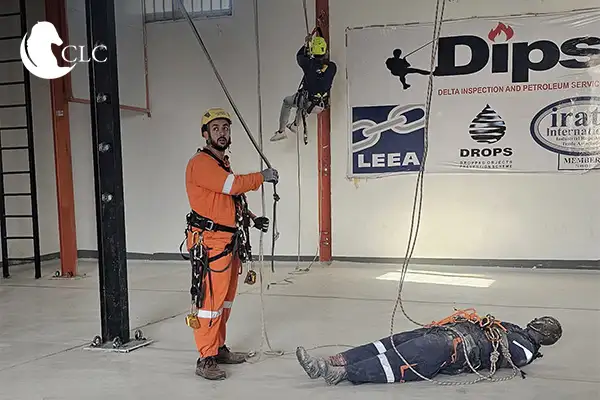
Working at height is one of the most high-risk activities across industries, making the use of an effective fall arrest system essential to protect workers and reduce on-site hazards.
With increasing safety demands, CLC delivers complete solutions that help businesses secure their worksites while meeting international safety standards.
Contact CLC today and get a customized safety solution for your project.
What is an Effective Fall Arrest System?
An effective fall arrest system is a combination of equipment and safety measures designed to stop a worker safely in the event of a fall, especially during high-risk tasks such as QC inspection using rope access.
The system is designed to:
- Minimize free-fall distance
- Reduce impact force on the body
- Prevent collision with surrounding structures
- Protect against swing fall hazards
Get expert advice from CLC to choose the right system for your site.
Key Components of a Fall Arrest System
A complete system includes several essential components that work together to ensure safety:
- Full body harness for proper force distribution
- Lanyard with energy absorber
- Certified anchorage point
- Horizontal or vertical lifelines
Proper installation of lifeline fall protection systems is critical to ensure system efficiency and worker safety.
CLC provides professional installation and certified equipment you can rely on.
When Do You Need a Fall Arrest System?
You need a fall arrest system in situations such as:
- Working on roofs, scaffolding, or elevated platforms
- Operating near open edges or ارتفاعات
- Performing tasks that require Rope Access Services
- Working in hard-to-reach or hazardous environments
Start protecting your team today with CLC’s safety solutions.
Fall Arrest vs. Fall Restraint
It is important to understand the difference:
- Fall restraint systems prevent workers from reaching خطر السقوط
- Fall arrest systems stop the fall after it occurs
In projects requiring flexibility and mobility, especially those involving Rope Access Solutions, fall arrest systems are often the most effective option.
Let CLC experts guide you to the safest and most efficient solution.
Safety Requirements for an Effective Fall Arrest System
To ensure maximum protection, the system must:
- Be designed by qualified professionals
- Use certified, standards-compliant equipment
- Be regularly inspected
- Include a clear rescue plan
- Be supported by proper worker training
CLC offers complete safety programs including design, training, and inspection.
Why Choose Capital Leading Company CLC?
Choosing Capital Leading Company means working with a trusted partner in safety:
- Strong expertise in fall protection systems
- High-quality execution based on international standards
- Customized solutions for every project
- Continuous technical support and after-sales service
With CLC, you’re investing in safety, reliability, and long-term performance.
Take Action Now
An effective fall arrest system is not just a safety tool—it’s a critical investment in your people and your business.
Whether you are starting a new project or upgrading your current system, CLC provides the right solution with professional expertise.
Contact CLC now and secure a safer working environment for your team.
Frequently Asked Questions
What is the most effective fall protection system?
The most effective fall protection strategy is to prevent the fall from happening in the first place. Barricades and guardrails are essential tools that restrict access to hazardous areas such as open hoistways or unfinished platforms.
What are the three types of fall arrest systems?
There are three main types of fall arrest systems designed for different environments and risk levels: general systems like safety nets and catch platforms, personal systems using harnesses and lanyards, and cable-based systems such as horizontal or vertical lifelines.
How to install vertical lifeline?
Connectors on wire rope lifelines must use a formed eye termination with a thimble. Approved methods include a spliced eye with one swaged ferrule, a return eye with at least two swaged ferrules, or a return eye with at least three wire rope clips.