Marine Structure Inspection is a critical engineering service essential for ensuring the safety, integrity, and long-term performance of marine assets like ports, jetties, and offshore platforms. At CLC (Capital Leading Company), we deliver advanced inspection solutions powered by professional Rope Access techniques to detect structural issues early, reduce costly failures, and ensure uninterrupted maritime operations.
What is Marine Structure Inspection and Why It Matters?
At CLC, we provide advanced engineering assessments using specialized rope access services to detect corrosion, cracks, and structural defects at an early stage. This enables asset owners to make informed maintenance decisions before minor defects turn into major structural failures.
Importance of Regular Asset Monitoring
Marine infrastructure is continuously exposed to harsh environmental conditions, including saltwater corrosion, high humidity, and mechanical stress. Routine inspections help identify early signs of:
Steel degradation and surface corrosion
Fatigue and concrete deterioration
Structural joint stress
Early intervention significantly reduces repair costs and extends the service life of marine assets. CLC supports this process through detailed engineering assessments and preventive maintenance recommendations.
Rope Access: The Smart Solution in Marine Structure Inspection
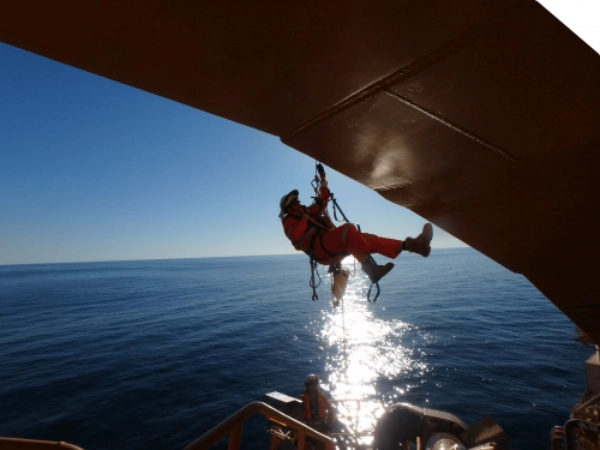
One of the biggest advantages CLC offers in marine infrastructure assessment is the strategic deployment of industrial Rope Access technology. This advanced methodology allows our specialists to reach difficult, high, and confined marine areas without the need for scaffolding or heavy machinery.
Compared with conventional inspection methods, Rope Access provides a safer, faster, and more economical solution for inspecting complex marine structures.
1. Cost-Effective Solutions
By using Rope Access techniques, we eliminate the need for expensive platforms and heavy machinery, helping clients save significantly on project budgets.
2. Minimized Downtime
Minimizing downtime is a critical factor in marine operations. CLC’s expert Rope Access teams work quickly and efficiently, allowing inspections to be completed in less time compared to traditional methods. This helps businesses maintain smooth, uninterrupted operations.
3. Advanced Safety Standards
Every Rope Access project follows strict international safety procedures. Our certified technicians operate under internationally recognized Rope Access standards while utilizing advanced NDT equipment to ensure accurate inspection results.
All inspection activities are conducted within a certified Quality Management System (ISO 9001), ensuring consistent methodologies, accurate documentation, and traceable inspection records.
Marine Structure Inspection Process
CLC provides complete, data-driven Marine Structure Inspection services tailored to international maritime regulations. Our inspection process combines visual assessments, corrosion evaluation, NDT testing, and engineering analysis to provide a complete understanding of structural health.
Our structural inspection process includes:
Detailed Visual Assessment & Structural Mapping: To identify visible anomalies, cracks, and surface defects.
Advanced Corrosion Analysis: Utilizing Ultrasonic Thickness Gauging (UT) to measure steel degradation.
Comprehensive Structural Integrity Evaluation: To assess the overall health of the asset.
Actionable Engineering Reporting: Delivering detailed insights and preventive maintenance recommendations.
Need a professional assessment of your marine structure? Contact CLC today to schedule a comprehensive inspection performed by certified Rope Access engineers.
Why Choose CLC for Marine Structure Inspection?
Capital Leading Company combines certified Rope Access professionals, experienced structural engineers, and advanced inspection technologies across ports, offshore facilities, and coastal infrastructure.
Beyond maritime assessments, CLC offers integrated industrial services to secure your entire facility:
Horizontal Lifeline System Installations: Ensuring maximum fall protection for high-elevation personnel.
Industrial Tank Maintenance & Desludging Services: Heavy-duty cleaning and maintenance for industrial facilities.
Turnkey Steel Structure Fabrication & Installation: Executing immediate structural repairs post-inspection.
Protect your marine assets and optimize long-term maintenance costs. Contact CLC today to schedule a comprehensive assessment by certified engineers.
Frequently Asked Questions
What is structural inspection?
Structural inspection includes the application of various nondestructive testing (NDT) methods to evaluate structures for signs of damage, deterioration, and wear without causing any harm to the material.
Which industries require Marine Structure Inspection services?
Marine Structure Inspection is essential for industries such as ports, shipping companies, offshore oil and gas facilities, coastal construction, and waterfront infrastructure projects that require continuous safety and structural monitoring.
How does Rope Access improve inspection efficiency?
Rope Access improves inspection efficiency by allowing technicians to safely reach difficult and elevated areas without scaffolding, reducing inspection time, lowering costs, and minimizing operational downtime while ensuring precise, close-quarters inspections